When to See a Podiatrist for Callus Treatment
- posted: Aug. 06, 2025
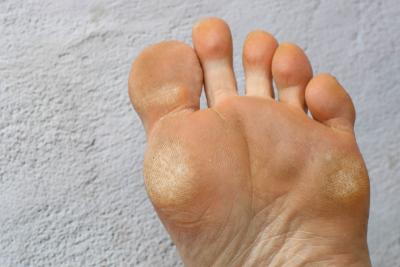
Calluses are thick, hardened areas of skin that often form on the soles of the feet due to repeated friction or pressure. For many people, they’re more of a nuisance than a serious issue. But if they start to hurt, crack, or interfere with your mobility, it’s time to consider getting help. At Podiatry Solutions of WNY, Dr. Jason White sees patients in Williamsville and Lockport who are looking for safe, effective relief when over-the-counter products and home remedies aren’t solving it.
Understanding What a Callus Is and Isn’t
A callus forms as your body’s way of protecting the skin. Common causes include tight shoes, high-impact activities, gait abnormalities, or even just standing for long periods. They usually develop on the ball of the foot, heel, or big toe. Unlike corns, which tend to be smaller, more painful, and have a hard center, calluses are typically larger and flatter.
That said, not every thickened area of skin is just a harmless callus. Sometimes, people mistake warts, infections, or more serious lesions for calluses. That’s one of the reasons professional evaluation with Dr. White can be so important.
Signs It’s Time to See a Podiatrist
While minor calluses can often be managed at home with moisturizing creams and gentle exfoliation, there are signs that indicate it’s time to make an appointment:
- Pain when walking or standing
- Cracks in the skin that don’t heal
- Bleeding or signs of infection
- Calluses that keep coming back
- Changes in color or shape
If you have diabetes or poor circulation, it’s especially important not to ignore foot issues, even if they seem minor. Calluses in these cases can lead to ulcers or infections if not properly managed, and people with these conditions wouldn’t necessarily be able to feel if something was wrong.
What Treatment Looks Like at Podiatry Solutions of WNY
When you come in for a callus evaluation, Dr. White will assess what’s causing the pressure or friction that’s leading to skin buildup. In many cases, gentle debridement in the office can bring immediate relief. But treatment doesn’t stop there. You might also be fitted for custom orthotics and advised on better footwear or managing moisture and skin care.
Dr. White takes a proactive approach, treating not just the symptom, but the cause. That way, you’re less likely to have the same issue repeat itself a few weeks later.
Don’t Wait Until It Gets Worse
Calluses may seem minor, but they can turn into larger problems when left alone. If you’re in the Williamsville or Lockport area and need podiatric care, Dr. Jason White at Podiatry Solutions of WNY is here to help. Call our Williamsville office at (716) 634-5993 or our Lockport office at (716) 434-6601.
- posted: Aug. 06, 2025
Calluses are thick, hardened areas of skin that often form on the soles of the feet due to repeated friction or pressure. For many people, they’re more of a nuisance than a serious issue. But if they start to hurt, crack, or interfere with your mobility, it’s time to consider getting help. At Podiatry Solutions of WNY, Dr. Jason White sees patients in Williamsville and Lockport who are looking for safe, effective relief when over-the-counter products and home remedies aren’t solving it.
Understanding What a Callus Is and Isn’t
A callus forms as your body’s way of protecting the skin. Common causes include tight shoes, high-impact activities, gait abnormalities, or even just standing for long periods. They usually develop on the ball of the foot, heel, or big toe. Unlike corns, which tend to be smaller, more painful, and have a hard center, calluses are typically larger and flatter.
That said, not every thickened area of skin is just a harmless callus. Sometimes, people mistake warts, infections, or more serious lesions for calluses. That’s one of the reasons professional evaluation with Dr. White can be so important.
Signs It’s Time to See a Podiatrist
While minor calluses can often be managed at home with moisturizing creams and gentle exfoliation, there are signs that indicate it’s time to make an appointment:
- Pain when walking or standing
- Cracks in the skin that don’t heal
- Bleeding or signs of infection
- Calluses that keep coming back
- Changes in color or shape
If you have diabetes or poor circulation, it’s especially important not to ignore foot issues, even if they seem minor. Calluses in these cases can lead to ulcers or infections if not properly managed, and people with these conditions wouldn’t necessarily be able to feel if something was wrong.
What Treatment Looks Like at Podiatry Solutions of WNY
When you come in for a callus evaluation, Dr. White will assess what’s causing the pressure or friction that’s leading to skin buildup. In many cases, gentle debridement in the office can bring immediate relief. But treatment doesn’t stop there. You might also be fitted for custom orthotics and advised on better footwear or managing moisture and skin care.
Dr. White takes a proactive approach, treating not just the symptom, but the cause. That way, you’re less likely to have the same issue repeat itself a few weeks later.
Don’t Wait Until It Gets Worse
Calluses may seem minor, but they can turn into larger problems when left alone. If you’re in the Williamsville or Lockport area and need podiatric care, Dr. Jason White at Podiatry Solutions of WNY is here to help. Call our Williamsville office at (716) 634-5993 or our Lockport office at (716) 434-6601.
Office Hours
Williamsville Office
Monday
Closed
Tuesday
9:00 am - 5:30 pm
Wednesday
8:45 am - 1:00 pm
Thursday
Closed
Friday
9:00 am - 1:00 pm
Saturday
Closed
Sunday
Closed
Lockport Office
Monday
9:00 am - 5:30 pm
Tuesday
Closed
Wednesday
Closed
Thursday
9:00 am - 4:00 pm
Friday
Closed
Saturday
Closed
Sunday
Closed