Dealing With Plantar Warts
- posted: Mar. 05, 2025
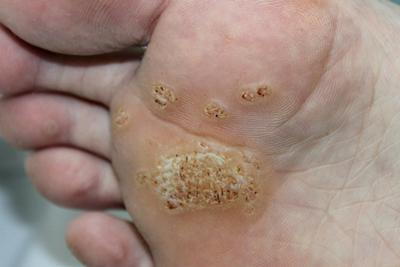
Plantar warts are a common foot condition that can cause discomfort and pain when walking or standing. These warts, which form on the soles of the feet, result from a viral infection and often appear as small, grainy growths. While generally harmless, plantar warts can become bothersome, particularly when they develop in weight-bearing areas of the foot. Understanding how plantar warts form and the best ways to treat them can help you manage this condition effectively. At Podiatry Solutions of WNY, Dr. Jason White provides expert diagnosis and treatment for plantar warts in Williamsville and Lockport, NY.
What Are Plantar Warts?
Plantar warts are non-cancerous growths on the bottom of the foot caused by the human papillomavirus (HPV). The virus enters the skin through small cuts or abrasions, leading to wart formation. These growths can range from tiny pinpoint lesions to larger clusters and typically have a rough, grainy texture. While anyone can develop plantar warts, they are more common in children, teenagers, and individuals with weakened immune systems.
Causes and Risk Factors
HPV thrives in warm, moist environments such as public showers, swimming pools, and locker rooms. The virus spreads through direct contact, often entering the body through small cracks or breaks in the skin. Although HPV is contagious, not everyone exposed to the virus will develop plantar warts. Factors such as immune system strength, personal hygiene, and prolonged exposure to contaminated surfaces affect whether the virus takes hold.
Plantar warts often appear in high-pressure areas of the foot, such as the heel or ball of the foot, and can cause discomfort when walking. Common signs of plantar warts include:
- Small, rough lesions on the bottom of the foot
- Black pinpoint dots (clotted blood vessels)
- Pain or tenderness when standing or walking
Treatment Options
Most plantar warts are harmless and may eventually go away on their own, though this process can take months or even years. Many seek treatment to relieve pain, speed healing, or prevent the wart from spreading. Initial treatments may include over-the-counter options like salicylic acid, but professional care may be necessary if these are ineffective.
Common treatments include:
- Cryotherapy: Freezing the wart with liquid nitrogen to destroy infected tissue
- Cantharidin: Applying a blistering agent to help remove the wart
- Surgical removal: In severe cases, minor surgery may be required to extract the wart
Prevention Tips
To reduce the risk of developing plantar warts:
- Wear shoes or sandals in public showers, pools, and locker rooms
- Wash your feet regularly and dry them thoroughly, especially between the toes
- Avoid touching warts, and wash your hands immediately if contact occurs
- Keep your feet clean and dry to prevent an environment where HPV can thrive
Schedule an Appointment Today
If you're struggling with plantar warts, don’t wait for them to worsen. Contact Dr. Jason White at Podiatry Solutions of WNY in Williamsville and Lockport, NY, for expert care. Call (716) 634-5993 for the Williamsville office or (716) 434-6601 for the Lockport office to schedule your consultation today.
- posted: Mar. 05, 2025
Plantar warts are a common foot condition that can cause discomfort and pain when walking or standing. These warts, which form on the soles of the feet, result from a viral infection and often appear as small, grainy growths. While generally harmless, plantar warts can become bothersome, particularly when they develop in weight-bearing areas of the foot. Understanding how plantar warts form and the best ways to treat them can help you manage this condition effectively. At Podiatry Solutions of WNY, Dr. Jason White provides expert diagnosis and treatment for plantar warts in Williamsville and Lockport, NY.
What Are Plantar Warts?
Plantar warts are non-cancerous growths on the bottom of the foot caused by the human papillomavirus (HPV). The virus enters the skin through small cuts or abrasions, leading to wart formation. These growths can range from tiny pinpoint lesions to larger clusters and typically have a rough, grainy texture. While anyone can develop plantar warts, they are more common in children, teenagers, and individuals with weakened immune systems.
Causes and Risk Factors
HPV thrives in warm, moist environments such as public showers, swimming pools, and locker rooms. The virus spreads through direct contact, often entering the body through small cracks or breaks in the skin. Although HPV is contagious, not everyone exposed to the virus will develop plantar warts. Factors such as immune system strength, personal hygiene, and prolonged exposure to contaminated surfaces affect whether the virus takes hold.
Plantar warts often appear in high-pressure areas of the foot, such as the heel or ball of the foot, and can cause discomfort when walking. Common signs of plantar warts include:
- Small, rough lesions on the bottom of the foot
- Black pinpoint dots (clotted blood vessels)
- Pain or tenderness when standing or walking
Treatment Options
Most plantar warts are harmless and may eventually go away on their own, though this process can take months or even years. Many seek treatment to relieve pain, speed healing, or prevent the wart from spreading. Initial treatments may include over-the-counter options like salicylic acid, but professional care may be necessary if these are ineffective.
Common treatments include:
- Cryotherapy: Freezing the wart with liquid nitrogen to destroy infected tissue
- Cantharidin: Applying a blistering agent to help remove the wart
- Surgical removal: In severe cases, minor surgery may be required to extract the wart
Prevention Tips
To reduce the risk of developing plantar warts:
- Wear shoes or sandals in public showers, pools, and locker rooms
- Wash your feet regularly and dry them thoroughly, especially between the toes
- Avoid touching warts, and wash your hands immediately if contact occurs
- Keep your feet clean and dry to prevent an environment where HPV can thrive
Schedule an Appointment Today
If you're struggling with plantar warts, don’t wait for them to worsen. Contact Dr. Jason White at Podiatry Solutions of WNY in Williamsville and Lockport, NY, for expert care. Call (716) 634-5993 for the Williamsville office or (716) 434-6601 for the Lockport office to schedule your consultation today.
Office Hours
Williamsville Office
Monday
Closed
Tuesday
9:00 am - 5:30 pm
Wednesday
8:45 am - 1:00 pm
Thursday
Closed
Friday
9:00 am - 1:00 pm
Saturday
Closed
Sunday
Closed
Lockport Office
Monday
9:00 am - 5:30 pm
Tuesday
Closed
Wednesday
Closed
Thursday
9:00 am - 4:00 pm
Friday
Closed
Saturday
Closed
Sunday
Closed