How Foot Doctors Remove Severe Ingrown Toenails
- posted: Jan. 04, 2025
Though an ingrown toenail may seem like a minor issue, it can cause more serious foot problems over time. Diabetic patients in particular are more likely to experience serious effects from untreated ingrown toenails. Learn about what causes ingrown toenails as well as preventive measures when you visit Dr. Jason White, a foot doctor at Podiatry Solutions of WNY, which has locations in Williamsville and Lockport, NY.
What Causes Severe Ingrown Toenails?
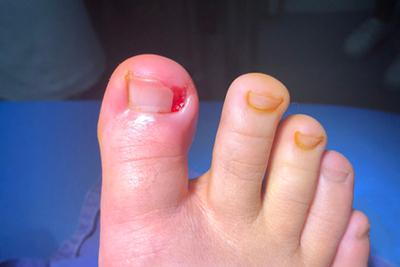
The most common culprit of ingrown toenails is the habit of wearing shoes that are too tight for your feet and toes. However, some patients have a propensity to develop ingrown toenails due to their heredity. They may have excess skin around their toenails. Improper toenail clipping and maintenance habits are also common causes. Severe ingrown toenails result when the nails push through the skin and cause sores, wounds, and ulcers.
Severe Ingrown Toenail Removal
Once an ingrown toenail becomes severe, it is best to seek help from your Williamsville and Lockport, NY, foot doctor as soon as possible. This is especially true if you are a diabetic patient, as wounds could develop into infections due to poor circulation. Your podiatrist will remove the ingrown toenail from the skin and provide medication and topical treatment to reduce the chance of an infection.
How to Stop Severe Ingrown Toenails
The best way to reduce the occurrence of severe ingrown toenails is to stop wearing shoes that are uncomfortable or put too much pressure on your toes. For instance, women who wear high heels with pointed toe bases for long periods each day are often more likely to develop ingrown toenails. Also, if you get ingrown toenails frequently or have diabetes, schedule appointments with your podiatrist for regular professional toenail clippings.
Have Your Ingrown Toenails Treated by a Foot Doctor
A severe case of ingrown toenails can progress to a more serious foot issue that could require more complicated solutions. Seek immediate treatment from Dr. Jason White at Podiatry Solutions of WNY, by calling (716) 634-5993 for Williamsville and (716) 434-6601 for Lockport.
- posted: Jan. 04, 2025
Though an ingrown toenail may seem like a minor issue, it can cause more serious foot problems over time. Diabetic patients in particular are more likely to experience serious effects from untreated ingrown toenails. Learn about what causes ingrown toenails as well as preventive measures when you visit Dr. Jason White, a foot doctor at Podiatry Solutions of WNY, which has locations in Williamsville and Lockport, NY.
What Causes Severe Ingrown Toenails?
The most common culprit of ingrown toenails is the habit of wearing shoes that are too tight for your feet and toes. However, some patients have a propensity to develop ingrown toenails due to their heredity. They may have excess skin around their toenails. Improper toenail clipping and maintenance habits are also common causes. Severe ingrown toenails result when the nails push through the skin and cause sores, wounds, and ulcers.
Severe Ingrown Toenail Removal
Once an ingrown toenail becomes severe, it is best to seek help from your Williamsville and Lockport, NY, foot doctor as soon as possible. This is especially true if you are a diabetic patient, as wounds could develop into infections due to poor circulation. Your podiatrist will remove the ingrown toenail from the skin and provide medication and topical treatment to reduce the chance of an infection.
How to Stop Severe Ingrown Toenails
The best way to reduce the occurrence of severe ingrown toenails is to stop wearing shoes that are uncomfortable or put too much pressure on your toes. For instance, women who wear high heels with pointed toe bases for long periods each day are often more likely to develop ingrown toenails. Also, if you get ingrown toenails frequently or have diabetes, schedule appointments with your podiatrist for regular professional toenail clippings.
Have Your Ingrown Toenails Treated by a Foot Doctor
A severe case of ingrown toenails can progress to a more serious foot issue that could require more complicated solutions. Seek immediate treatment from Dr. Jason White at Podiatry Solutions of WNY, by calling (716) 634-5993 for Williamsville and (716) 434-6601 for Lockport.
Office Hours
Williamsville Office
Monday
Closed
Tuesday
9:00 am - 5:30 pm
Wednesday
8:45 am - 1:00 pm
Thursday
Closed
Friday
9:00 am - 1:00 pm
Saturday
Closed
Sunday
Closed
Lockport Office
Monday
9:00 am - 5:30 pm
Tuesday
Closed
Wednesday
Closed
Thursday
9:00 am - 4:00 pm
Friday
Closed
Saturday
Closed
Sunday
Closed